




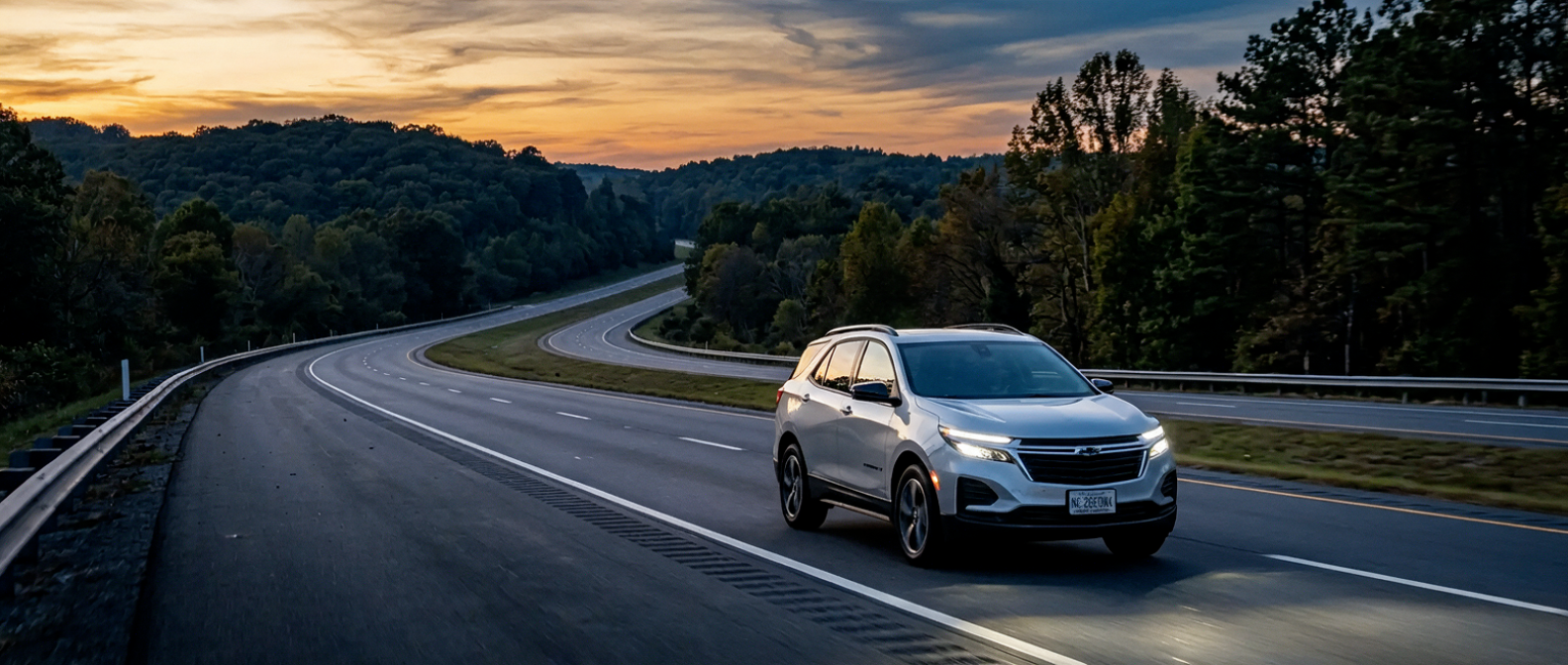
#just-private-label * { box-sizing: border-box; } #just-private-label { font-family: inherit; line-height: 1.7; color: #333333; max-width: 800px; margin: 0 auto; padding: 20px; } #just-private-label h2 { font-size: 1.5em; font-weight: 600; margin-top: 1.5em; margin-bottom: 0.75em; color: #000000; } #just-private-label h3 { font-size: 1.2em; font-weight: 600; margin-top: 1.2em; margin-bottom: 0.5em; color: #000000; } #just-private-label p { margin-bottom: 1em; font-size: 1em; } #just-private-label a { color: #000000; text-decoration: underline; } #just-private-label a:hover { text-decoration: none; } #just-private-label strong { font-weight: 600; } #just-private-label ul, #just-private-label ol { margin-bottom: 1em; padding-left: 1.5em; } #just-private-label li { margin-bottom: 0.5em; } #just-private-label .tip-box { background-color: #f9f9f9; border-left: 4px solid #333333; padding: 15px; margin: 1.5em 0; } #just-private-label .faq-section { background-color: #f5f5f5; padding: 30px; margin: 2em 0; } #just-private-label .faq-section h2 { margin-top: 0; margin-bottom: 1em; padding-bottom: 15px; border-bottom: 2px solid #333333; } #just-private-label .faq-item { margin-bottom: 1.5em; padding-bottom: 1.5em; border-bottom: 1px solid #e0e0e0; } #just-private-label .faq-item:last-child { margin-bottom: 0; padding-bottom: 0; border-bottom: none; } #just-private-label .faq-item h3 { color: #000000; margin-top: 0; margin-bottom: 0.5em; font-size: 1.1em; } #just-private-label .faq-item p { margin-bottom: 0; color: #333333; } #just-private-label .cta-section { margin-top: 2em; padding: 20px; text-align: center; } #just-private-label .cta-button { display: inline-block; padding: 12px 24px; margin: 10px; background-color: #bb8b35; color: #ffffff !important; text-decoration: none; font-weight: 600; } #just-private-label .cta-button:hover { opacity: 0.9; text-decoration: none; } #just-private-label .dealer-footer { margin-top: 40px; padding-top: 20px; border-top: 1px solid #e0e0e0; text-align: center; font-size: 14px; color: #666666; } #just-private-label .dealer-footer p { margin: 5px 0; } @media (max-width: 600px) { #just-private-label { padding: 15px; } #just-private-label h2 { font-size: 1.3em; } #just-private-label h3 { font-size: 1.1em; } #just-private-label .cta-button { display: block; margin: 10px 0; } } In this article What's Actually Going on When the Road Gets Dark? The System That Does the Most Work After Dark The Following Distance Problem Commuters Underestimate DIY Check vs. Seeing Our Service Team The stretch of I-77 between Winnsboro and Columbia doesn't look the same after 6 p.m. Those wooded Piedmont hillsides that feel pleasant in daylight turn into solid walls of black, and ambient light disappears by Exit 41. Trucks running the Charlotte-to-Columbia freight route don't slow down just because your visibility does. So if you're making that evening run regularly, the drive that deserves attention is the one after dark, and the real test is whether your safety systems are calibrated for what that road becomes at night. The short answer is yes, because Chevrolet built the 2026 Chevrolet Equinox with exactly these conditions in mind. Chevrolet lists more than 15 standard safety and driver-assistance features on the 2026 model, and several of them do their most important work after dark. What follows is what's actually happening when those systems activate on a Piedmont commute. Schedule a service check before your next long evening run What's Actually Going on When the Road Gets Dark? The I-77 corridor near Winnsboro throws three specific problems at an evening commuter that a generic highway drive doesn't, and none of them is exotic on its own, but they stack up fast after the light drops, with wooded terrain, steady truck traffic, and low-contrast merges all landing on the same road once it's dark. Condition What Triggers It Which Feature Responds Ambient light drops past Exit 34 Wooded terrain, no streetlights, rolling hills IntelliBeam automatic high beams Truck lanes shifts on a 4-lane, 70-mph corridor Charlotte-Columbia freight traffic Forward Collision Alert + Lane Keep Assist Unlit merge zones and exits near wooded on-ramps Low contrast at entry/exit points Automatic Emergency Braking Lane markings fade under fog in low-lying areas Piedmont hollows collect ground fog at night Lane Departure Warning alert Deer crossing zones along wooded roadsides Fairfield County's wooded rural character IntelliBeam + Front Pedestrian and Bicyclist Braking Every one of those rows maps to a standard feature you'll find on every 2026 Equinox trim. No upgrade package required. The System That Does the Most Work After Dark IntelliBeam is the feature to understand first here, and it reads oncoming traffic to flip the Equinox between high and low beams on its own without the driver touching the stalk, a real help on an unlit corridor, though it only works with the light range a clean headlight lens can pass. On a stretch of I-77 with no streetlights and a rolling hillcrest every half mile, that matters more than it sounds. High beams at the wrong moment blind an oncoming driver, and manually toggling them on a tired commute home is a distraction you don't need. Chevrolet makes IntelliBeam standard on every 2026 Equinox trim, so this isn't a feature you have to shop for. It's just there. Lane Keep Assist with Lane Departure Warning addresses a different problem entirely. The system monitors lane markings, and if the vehicle starts to drift without a turn signal active, it nudges the wheel gently back. Chevrolet's larger Traverse uses a similar system, but on a compact SUV that's already easy to place in a lane, the pairing of alert plus correction is genuinely reassuring when you're easing through a foggy Piedmont hollow at mile marker 38. One honest tradeoff is worth flagging, because Lane Keep Assist can feel overly sensitive in construction zones where temporary lane markings overlap older paint. I-77 near Winnsboro sees periodic resurfacing work. The system is adjustable and can be turned down or off when conditions call for it, but if you don't know that setting exists, an unexpected steering nudge through an active construction zone can rattle you, especially the first time. Schedule a Service Appointment The Following Distance Problem Commuters Underestimate Forward Collision Alert uses radar and cameras to track the vehicle ahead, calculate closure rate, and warn the driver before things turn critical, and it's a strong backstop, though it works best as the second layer after you've already kept a sane following distance yourself. The Following Distance Indicator goes one step further, showing you your gap from the car ahead in seconds, right there on the instrument cluster where you'll actually see it. Chevrolet includes both as standard on the 2026 Equinox. Why does this matter on I-77 specifically? Truck traffic between Charlotte and Columbia runs moderate but steady on this corridor, and a loaded semi doing 65 in the right lane doesn't read the same in your headlights at 70 mph as it does in daylight. Reaction times get compressed. The Following Distance Indicator keeps that gap visible before Forward Collision Alert has to do any heavy lifting. Next step: If you're already driving an Equinox and want to confirm your safety systems are calibrated correctly (sensors clean, forward-facing cameras unobstructed), our service center on US 321 can run a quick check before the evenings start getting shorter. DIY Check vs. Seeing Our Service Team A few of these checks you can genuinely handle yourself before tonight's commute, and a few you really shouldn't, so it helps to know which is which before you're squinting at a dashboard alert in the driveway at dusk. Make sure your headlights are clean, since the Piedmont's summer pollen and road grime build up fast, and a film on the lens noticeably cuts IntelliBeam's range. Check that the forward-facing camera (mounted near the rearview mirror) isn't blocked by a toll sticker or a suction-cup mount. Both are five-second checks that keep the system working the way Chevrolet intended. Do them before you pull out. What you shouldn't try to fix yourself is a persistent Forward Collision Alert that fires with nothing ahead, or a Lane Departure Warning that triggers on a straight road with clear markings. Those patterns usually point to a sensor calibration that's off, often after a windshield replacement or a minor parking-lot impact that shifted the camera mount. Chevrolet's calibration process needs the right equipment, so this isn't a guess-and-check situation. Our service center team handles sensor calibrations regularly. If a system that worked fine last month is behaving differently now, that's the conversation to have with us, not one to troubleshoot alone. Frequently Asked Questions { "@context": "https://schema.org", "@type": "FAQPage", "mainEntity": [ { "@type": "Question", "name": "Does the 2026 Equinox have automatic high beams as a standard feature?", "acceptedAnswer": { "@type": "Answer", "text": "Yes. IntelliBeam automatic high beams are included in the Chevy Safety Assist package, which Chevrolet makes standard on every 2026 Equinox trim at no additional cost. The system automatically switches between high and low beams based on surrounding traffic, which is particularly useful on unlit rural stretches of I-77 between Winnsboro and Columbia." } }, { "@type": "Question", "name": "Why is my Equinox's Lane Keep Assist giving unexpected steering inputs at night?", "acceptedAnswer": { "@type": "Answer", "text": "The most common causes are faded or overlapping lane markings (common in active construction zones and on older pavement), low-contrast conditions like ground fog, or a forward-facing camera that needs cleaning or recalibration. If the behavior persists on roads with clear, fresh markings, it's worth scheduling a sensor calibration with our service center. The system is adjustable, and our team can walk you through the settings or identify whether a calibration is needed." } } ] } Does the 2026 Equinox have automatic high beams as a standard feature? Yes. IntelliBeam automatic high beams are included in the Chevy Safety Assist package, which Chevrolet makes standard on every 2026 Equinox trim at no additional cost. The system automatically switches between high and low beams based on surrounding traffic, which is particularly useful on unlit rural stretches of I-77 between Winnsboro and Columbia. Why is my Equinox's Lane Keep Assist giving unexpected steering inputs at night? The most common causes are faded or overlapping lane markings (common in active construction zones and on older pavement), low-contrast conditions like ground fog, or a forward-facing camera that needs cleaning or recalibration. If the behavior persists on roads with clear, fresh markings, it's worth scheduling a sensor calibration with our service center. The system is adjustable, and our team can walk you through the settings or identify whether a calibration is needed. View Current Chevrolet Offers Wilson Chevrolet 798 us hwy 321 N BUSINESS, Winnsboro, SC 29180 (803) 402-4233 { "@context": "https://schema.org", "@type": "AutoDealer", "name": "Wilson Chevrolet", "url": "https://www.wilsonchevy.com", "telephone": "(803) 402-4233", "address": { "@type": "PostalAddress", "streetAddress": "798 us hwy 321 N BUSINESS", "addressLocality": "Winnsboro", "addressRegion": "SC", "postalCode": "29180" } } { "@context": "https://schema.org", "@type": "Article", "headline": "When the Sun Goes Down on I-77, Does Your Equinox Have Your Back?", "publisher": { "@type": "Organization", "name": "Wilson Chevrolet" }, "datePublished": "2026-09-21", "dateModified": "2026-09-21" }

Hauling Mulch, Leaves, and Plantings for Fall Landscaping Jobs in Your Silverado Work Truck
{ "@context": "https://schema.org", "@type": "AutoDealer", "name": "Wilson Chevrolet", "url": "https://www.wilsonchevy.com", "telephone": "(803) 402-4233", "address": { "@type": "PostalAddress", "streetAddress": "798 us hwy 321 N BUSINESS", "addressLocality": "Winnsboro", "addressRegion": "SC", "postalCode": "29180" } } { "@context": "https://schema.org", "@type": "Article", "headline": "Hauling Mulch, Leaves, and Plantings for Fall Landscaping Jobs in Your Silverado Work Truck", "publisher": { "@type": "Organization", "name": "Wilson Chevrolet" }, "datePublished": "2026-09-22", "dateModified": "2026-09-22" } #just-private-label * { box-sizing: border-box; } #just-private-label { font-family: inherit; line-height: 1.7; color: #333333; max-width: 800px; margin: 0 auto; padding: 20px; } #just-private-label h2 { font-size: 1.5em; font-weight: 600; margin-top: 1.5em; margin-bottom: 0.75em; color: #000000; } #just-private-label h3 { font-size: 1.2em; font-weight: 600; margin-top: 1.2em; margin-bottom: 0.5em; color: #000000; } #just-private-label p { margin-bottom: 1em; font-size: 1em; } #just-private-label a { color: #000000; text-decoration: underline; } #just-private-label a:hover { text-decoration: none; } #just-private-label strong { font-weight: 600; } #just-private-label ul, #just-private-label ol { margin-bottom: 1em; padding-left: 1.5em; } #just-private-label li { margin-bottom: 0.5em; } #just-private-label .tip-box { background-color: #f9f9f9; border-left: 4px solid #333333; padding: 15px; margin: 1.5em 0; } #just-private-label .cta-section { margin-top: 2em; padding: 20px; text-align: center; } #just-private-label .cta-button { display: inline-block; padding: 12px 24px; margin: 10px; background-color: #bb8b35; color: #ffffff !important; text-decoration: none; font-weight: 600; } #just-private-label .cta-button:hover { opacity: 0.9; text-decoration: none; } #just-private-label .dealer-footer { margin-top: 40px; padding-top: 20px; border-top: 1px solid #e0e0e0; text-align: center; font-size: 14px; color: #666666; } #just-private-label .dealer-footer p { margin: 5px 0; } @media (max-width: 600px) { #just-private-label { padding: 15px; } #just-private-label h2 { font-size: 1.3em; } #just-private-label h3 { font-size: 1.1em; } #just-private-label .cta-button { display: block; margin: 10px 0; } } In this article Will It Fit? The Silverado Durabed by the Numbers How to Load It: Loading Sequence for a Productive Fall Day Matching the Truck to the Season Get the Job Done: Spec Your Truck Before the Season Peaks Fall in Fairfield County moves fast. Once the leaves start dropping off the oaks and sweetgums along the back roads outside Winnsboro, a working landscaper has about six weeks to knock out cleanup runs, fresh mulch applications, and new shrub and tree installs before the ground tightens up. When someone is spec'ing out a work truck for that crunch, a fair question before anything else is whether it'll fit and whether it'll handle the weight. Both answers point the same way. The the 2026 Silverado 1500 Work Truck is built for exactly this kind of run. What follows is the math, the load plan, and a few things worth knowing before you back the tailgate up to a pile of balled-and-burlapped hollies. Will It Fit? The Silverado Durabed by the Numbers Chevrolet lists the 2026 Silverado 1500 WT payload at up to 2,030 pounds for the Work Truck trim, and that's the figure printed on the yellow sticker inside your door jamb, covering everything in the cab and the bed combined. Your 190-lb driver and a water jug count against it. So does the blower strapped to the side rail. Read the sticker before you read anything else. The bed itself gives you real room to work. Here's how common fall landscaping loads stack up against what the Durabed actually holds: Fall Landscaping Load Item Weight or Dimension Does It Fit? Standard 40-lb mulch bags (20 bags) 800 lbs total Yes, comfortably within WT payload Standard 40-lb mulch bags (40 bags) 1,600 lbs total Yes, within payload; leave room for tools and driver weight Standard pallet of mulch (50 x 40-lb bags) ~2,000 lbs At the limit. Split the pallet into two loads Balled-and-burlapped shrub, 3-gal container 50-80 lbs each 15-20 fit well in a standard bed run Balled-and-burlapped small tree, 6-ft 100-150 lbs each 8-10 per load safely, depending on root ball size 4x8 sheet of landscape fabric / plywood 48 inches wide Yes. Chevrolet lists bed width between wheelhouses at 50.63 in Full leaf bags (30-gal, packed) 30-40 lbs each 20+ bags fit flat in a long bed (98.18 in floor) Leaf debris, loose in bed (1 cubic yard) 200-400 lbs (dry) Well within payload; long bed holds 89.1 cu ft On bed configuration, the choice does real work for you. Chevrolet offers the 2026 Silverado 1500 WT Regular Cab in standard bed (79.44 inches of floor length) or long bed (98.18 inches). For a dedicated landscaping rig, the long bed is the practical pick. You gain about 19 inches of usable floor length over the standard, and that extra space swallows a full load of bagged leaves without stacking them past the rails. One detail is easy to overlook. The Durabed's 50.63-inch width between the wheel wells runs wider than a standard 48-inch pallet on purpose. Chevrolet engineered it so a pallet loads flat and sits level without riding the wheel housings. How to Load It: Loading Sequence for a Productive Fall Day Getting the payload distribution right protects your truck's suspension and your stopping ability, so a sensible sequence for a mixed mulch-and-debris day earns its keep. Load in the order below and you'll spread the weight where the truck wants it. The steps aren't complicated. They just reward doing them in order. Schedule a pre-season service check before the fall push to make sure your tires are at spec and your truck is ready for repeated heavy loads. Check your door-sticker payload rating first. The 2026 Silverado WT payload listed here is a guide, and your specific truck's yellow sticker is the number that governs. It accounts for your exact engine, cab, and equipment package. Always start there. Load heavy and low, centered between the axles. Dense items (bags of compost, root balls, gravel for a drainage fix) go down first and toward the cab. This keeps the center of gravity low and reduces tail squat. Clip the 12 Durabed tie-down cleats. Chevrolet rates each one at 500 pounds. Use at least four points for a typical bagged-mulch run, two forward and two aft of the load. Add the leaf load last and loose. Dry leaves are light and forgiving. A full long bed of loose leaves can stay under 400 pounds. No need to compact them; just keep them below the rail so you're not losing half a load on I-77 between job sites. Account for the tools and the crew. Two people, two backpack blowers, and a gas can add weight. Tally it before you load the bed. Tip for shrub installs: Balled-and-burlapped stock is deceptively heavy. A 6-foot Leyland cypress root ball can tip the scales at 150 pounds by itself. Run five of those plus two people and your equipment on a single load and you're looking at close to 1,200 pounds. That sits comfortably inside the 2,030-lb WT payload rating, though it's a number worth knowing rather than guessing. Matching the Truck to the Season The Silverado 1500 WT isn't trying to be everything, and that's the first thing we'd say to anyone shopping a work truck against a family hauler. The WT skips the heated seats and the premium audio. You get a vinyl floor, rubber floor mats, and a cab designed to take mud and bark dust without complaint. For a landscaping crew running jobs out of Winnsboro toward Blythewood or Ridgeway, that trade is worth making. Here's the tradeoff worth naming. If you run a crew of three and regularly haul equipment heavier than 1,800 pounds, the Silverado 1500 will brush the top of its payload range on bad days. That's when the Silverado 2500 HD enters the conversation. The HD can carry up to 3,979 pounds and is built for sustained commercial loads without the same ceiling pressure. A one- or two-person landscaping operation in Fairfield County, though, tends to stay well inside what the 1500 handles all day. Standard on the WT, the TurboMax 2.7-liter four-cylinder engine puts out 430 pound-feet of torque at low RPM, and you feel that pulling out of a soft backyard or climbing a long driveway with a loaded bed. The Clemson Extension notes that September through October is the prime window for shrub and tree planting in South Carolina's Midlands region, with roots continuing to establish through the warm fall soil. That's a six-week stretch where a capable, properly loaded truck pays for itself in job count. See Current Silverado Work Truck Offers Get the Job Done: Spec Your Truck Before the Season Peaks Fall jobs in this part of the Midlands don't wait, and once the sweetgums start letting go in late October the cleanup calls stack up fast behind the oaks. Wilson Chevrolet sits on US 321 in Winnsboro. Here's what we'd tell any landscaper standing on our lot at Wilson Chevrolet: Know your payload sticker number before you drive away. It's on the driver-side door jamb, and it's the number that governs. For dedicated work use, spec the Regular Cab long bed. Simpler to load, easier to access the full 98.18-inch floor, and you're not paying for rear seat space you don't need on a job truck. If you're hauling a trailer of equipment behind a loaded bed, the math changes. Tongue weight counts against payload, not just towing capacity. Our service center at Wilson Chevrolet can walk you through a pre-season inspection covering tires, brakes, and suspension before you start stacking those 40-pound bags. Job done beats job started wrong. Schedule a Pre-Season Service Check Wilson Chevrolet 798 us hwy 321 N BUSINESS, Winnsboro, SC 29180 (803) 402-4233