





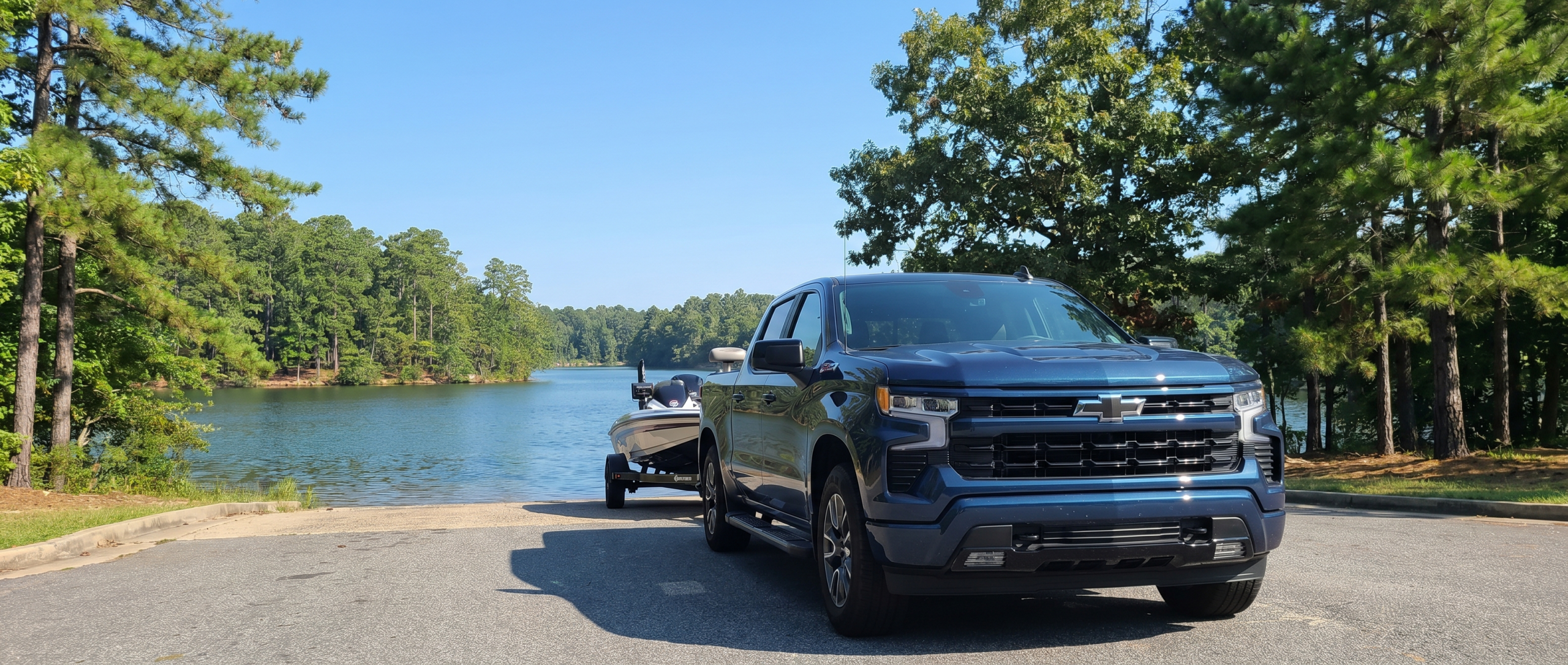
Your Silverado 1500‘s cooling system faces its biggest test when hauling heavy loads through South Carolina’s 95-degree summer days – and that extra strain can mean the difference between reaching Lake Wateree or breaking down on Highway 321. For truck owners in Winnsboro, SC who depend on their Silverado for work and recreation, understanding how to protect your cooling system during peak hauling season isn’t just maintenance advice – it’s essential knowledge that prevents costly repairs and keeps you productive when temperatures soar.
Understanding Your Silverado’s Cooling System Under Load
The 6.2L V8 in your Silverado 1500 generates up to 420 horsepower, but that power creates heat that must be managed through a complex cooling network. When you add a 10,000-pound trailer to the equation, your cooling system works overtime to maintain the ideal operating temperature of 195-220 degrees Fahrenheit.
Your truck’s cooling system includes several critical components working together:
- Heavy-duty radiator with increased capacity
- Engine oil cooler
- Transmission fluid cooler
- Electric cooling fans with variable speed control
- High-flow water pump
- Pressurized coolant recovery system
During summer hauling, each component must function perfectly to prevent overheating. The integrated transmission cooler becomes especially important when towing through the rolling hills around Ridgeway, where constant gear changes generate additional heat.
Pre-Summer Cooling System Inspection Checklist
Before the mercury climbs above 90 degrees, a thorough cooling system inspection can prevent roadside breakdowns. South Carolina’s combination of high humidity and extreme heat creates unique challenges for truck cooling systems, making spring maintenance crucial for summer reliability.
Essential Inspection Points:- Coolant Level and Condition
- Check when engine is cold
- Look for proper fill level in overflow tank
- Inspect color (should be bright orange or green)
- Test concentration with refractometer
- Belt and Hose Examination
- Check serpentine belt for cracks or glazing
- Squeeze radiator hoses for soft spots
- Look for bulges or wear marks
- Inspect hose clamps for corrosion
- Radiator and Cooling Fan Function
- Clean debris from radiator fins
- Verify electric fans activate properly
- Check for bent or damaged fins
- Ensure proper airflow through grille
- Thermostat Operation
- Monitor temperature gauge during warm-up
- Confirm upper radiator hose gets hot after thermostat opens
- Watch for erratic temperature readings
A pre-summer inspection helps identify potential failures before they strand you with a loaded trailer on I-77.
Critical Coolant Maintenance for Heavy-Duty Use
Chevrolet specifies Dex-Cool coolant for your Silverado 1500, engineered to last 150,000 miles under normal conditions. However, severe duty like frequent towing requires more vigilant maintenance to protect against corrosion and maintain proper heat transfer.
The extreme heat generated during summer hauling accelerates coolant degradation. When towing near maximum capacity, your coolant temperature can spike 20-30 degrees above normal, breaking down protective additives faster than typical driving.
| Driving Condition | Coolant Change Interval | Typical Summer Temperature |
|---|---|---|
| Normal Use | 150,000 miles | 195-210°F |
| Occasional Towing | 100,000 miles | 210-220°F |
| Frequent Heavy Hauling | 50,000 miles | 220-235°F |
| Commercial/Fleet Use | 30,000 miles | 225-240°F |
Regular coolant testing reveals problems before they cause damage. Check pH levels annually – readings below 8.5 indicate acidic conditions that corrode aluminum components.
Smart Towing Techniques to Reduce Heat Stress
How you drive while towing significantly impacts cooling system stress. Winnsboro’s location between Columbia and Charlotte means many drivers haul boats to Lake Wateree or transport equipment along Highway 34, routes that challenge any cooling system.
Heat-Reducing Driving Strategies:- Maintain steady speeds: Constant acceleration and deceleration generates excess heat
- Use tow/haul mode: Optimizes shift points and engine braking
- Monitor transmission temperature: Install aftermarket gauge if not equipped
- Plan routes wisely: Avoid stop-and-go traffic when possible
- Allow cool-down periods: Stop every 100 miles for 10-minute breaks
The Silverado’s Grade Braking feature helps control descent speeds without riding the brakes, reducing heat buildup in both the engine and transmission. This proves especially valuable when navigating the terrain changes near Mitford or heading toward the Broad River.
Weight distribution also affects cooling efficiency. Proper tongue weight (10-15% of trailer weight) maintains airflow to the radiator. Overloaded tongue weight pushes the front end down, restricting air intake through the grille.
Upgrade Options for Maximum Cooling Performance
While the Silverado 1500 comes well-equipped for towing, several upgrades enhance cooling capacity for drivers who regularly push limits. These modifications prove worthwhile for contractors, farmers, and recreational towers around Fairfield County who demand maximum performance.
Proven Cooling Upgrades:- Heavy-duty radiator: Increases cooling surface area by 40%
- High-flow water pump: Improves coolant circulation at low speeds
- Auxiliary transmission cooler: Reduces fluid temperatures by 30-50 degrees
- Hood vents: Improves hot air extraction from engine bay
- Performance thermostat: Opens at lower temperature for earlier cooling
| Upgrade | Typical Cost | Temperature Reduction | Best For |
|---|---|---|---|
| HD Radiator | $400-600 | 15-25°F | All heavy haulers |
| Trans Cooler | $150-250 | 30-50°F | Frequent towers |
| Electric Fans | $300-500 | 10-20°F | Slow-speed towing |
| Hood Vents | $200-400 | 5-10°F | Extreme conditions |
The most cost-effective upgrade? An auxiliary transmission cooler provides dramatic temperature reduction for minimal investment, extending transmission life significantly.
Common Questions About Silverado 1500 Cooling Systems in Winnsboro, SC
How often should I flush my Silverado’s coolant system in South Carolina’s climate?
Flush your Silverado’s cooling system every 50,000 miles if you tow regularly in South Carolina heat, or every 100,000 miles for normal driving. The combination of high humidity and temperatures above 90 degrees from May through September accelerates coolant breakdown, making more frequent service intervals wise for Winnsboro area drivers who haul heavy loads.
What temperature is too hot for my Silverado when towing?
Your Silverado 1500 should run between 210-230°F when towing in normal conditions, with 240°F being the maximum safe operating temperature. If your gauge exceeds 235°F while hauling on highways around Winnsboro, reduce speed immediately and activate your hazard lights while finding a safe place to stop and cool down.
Can I use universal coolant instead of Dex-Cool in my Chevrolet?
Stick with GM-approved Dex-Cool or equivalent OAT (Organic Acid Technology) coolant in your Silverado to maintain warranty coverage and prevent damage. Mixing coolant types creates a gel-like substance that clogs cooling passages, a costly mistake that requires complete system flushing at minimum.
Should I upgrade my Silverado’s cooling system before buying a larger trailer?
Assess your current cooling performance first by monitoring temperatures during typical hauling scenarios around Fairfield County. If temperatures regularly exceed 220°F or you plan to tow near the 12,000-pound maximum rating, investing in cooling upgrades like an auxiliary transmission cooler provides valuable insurance against heat-related failures.
Why does my Silverado run hotter when towing uphill compared to flat highways?
Climbing grades like those on Highway 215 toward Jenkinsville forces your engine to work harder while reducing airflow through the radiator due to slower speeds. The combination of increased power demand and decreased cooling creates perfect conditions for overheating, making proper cooling system maintenance essential for hill country towing.
What are signs my Silverado’s thermostat is failing?
Watch for erratic temperature gauge readings, engine running too cool or too hot, poor heater performance, or coolant leaks near the thermostat housing. A stuck thermostat prevents proper coolant flow, risking engine damage during summer towing around Lake Wateree or Broad River recreation areas.
Protecting Your Investment Through Proper Cooling Care
Summer hauling pushes your Silverado 1500 to its limits, but proper cooling system care ensures reliable performance when you need it most. Regular maintenance, smart driving techniques, and strategic upgrades work together to prevent the frustration and expense of overheating failures.
Remember that your cooling system works hardest during those critical moments – merging onto I-77 with a full load, climbing toward Monticello, or navigating the back roads around Fairfield County with equipment in tow. The time invested in cooling system care pays dividends through years of dependable service.
Take action before summer heat peaks. Schedule a cooling system inspection, test your coolant condition, and address any concerns before they become roadside emergencies. Your Silverado was built for hard work – proper cooling care ensures it delivers that capability every time you need it. The service experts at Wilson Chevrolet understand the unique demands South Carolina summers place on truck cooling systems and can help keep your Silverado running strong through the hottest hauling conditions.
Connect with us


- July 2026
- June 2026
- May 2026
- April 2026
- March 2026
- February 2026
- January 2026
- November 2025
- June 2025
- May 2025
- April 2025
- February 2025
- December 2024
- November 2024
- September 2024
- August 2024
- July 2024
- April 2024
- March 2024
- February 2024
- January 2024
- December 2023
- October 2023
- September 2023
- May 2023
- April 2023
- March 2023
- February 2023
- January 2023
- September 2022
- July 2022
- June 2022
- March 2022
- January 2022
- December 2021
- November 2021
- October 2021
- September 2021
- August 2021
- July 2021
- June 2021
- April 2021
- January 2021
- December 2020
- November 2020
- October 2020
- September 2020
- August 2020
- July 2020
- June 2020
- May 2020